Physical Address
304 North Cardinal St.
Dorchester Center, MA 02124
Physical Address
304 North Cardinal St.
Dorchester Center, MA 02124

Camouflage is a fascinating survival technique that many animals use to blend into their surroundings, avoiding predators or sneaking up on prey. From the vibrant colors of the rainforest to the muted tones of the desert, nature has equipped these creatures with incredible adaptations. In this blog post, we’ll explore the top 10 most camouflaged animals, showcasing their unique traits and habitats. Let’s dive in!
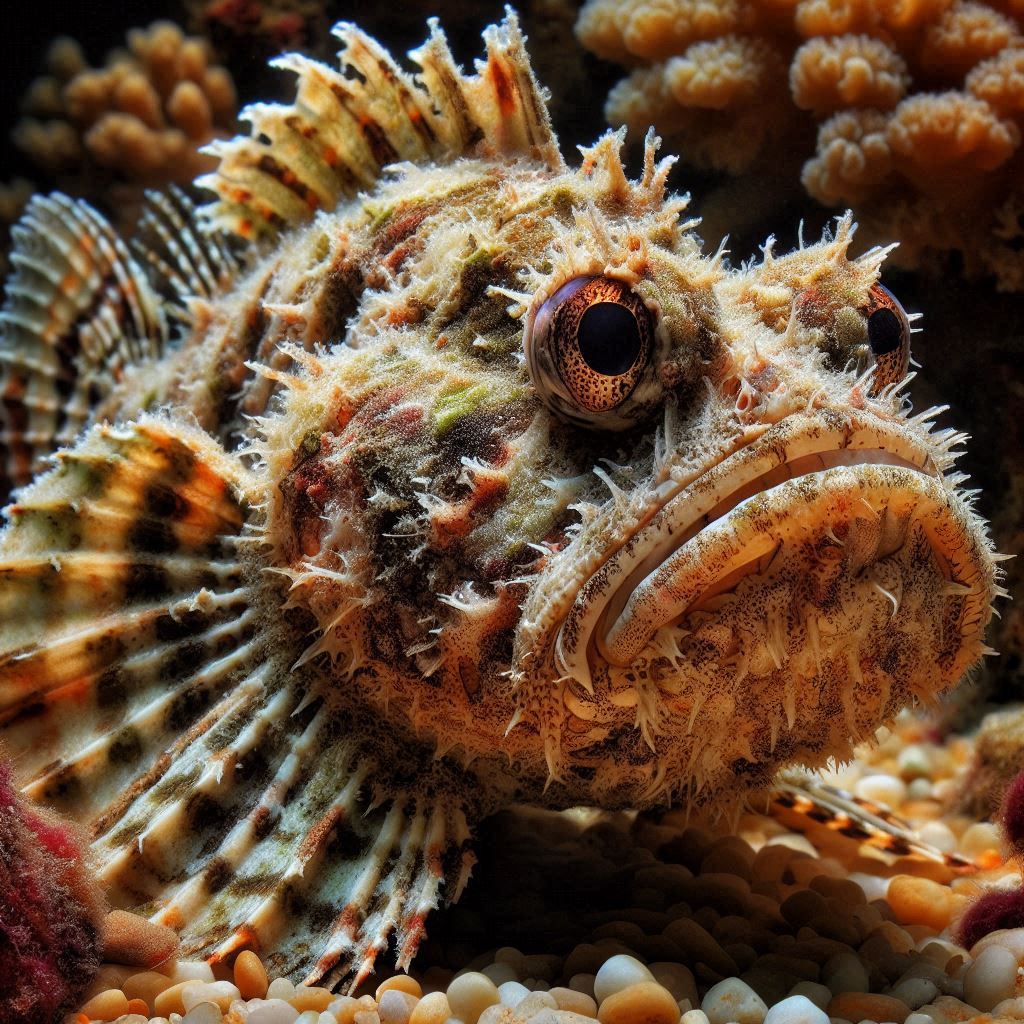
The stonefish is one of the most venomous fish in the world, and its ability to blend into rocky sea floors is remarkable. With a body covered in spines and a texture resembling rocks or coral, it’s nearly impossible to spot.
Learn more about stonefish at National Geographic.
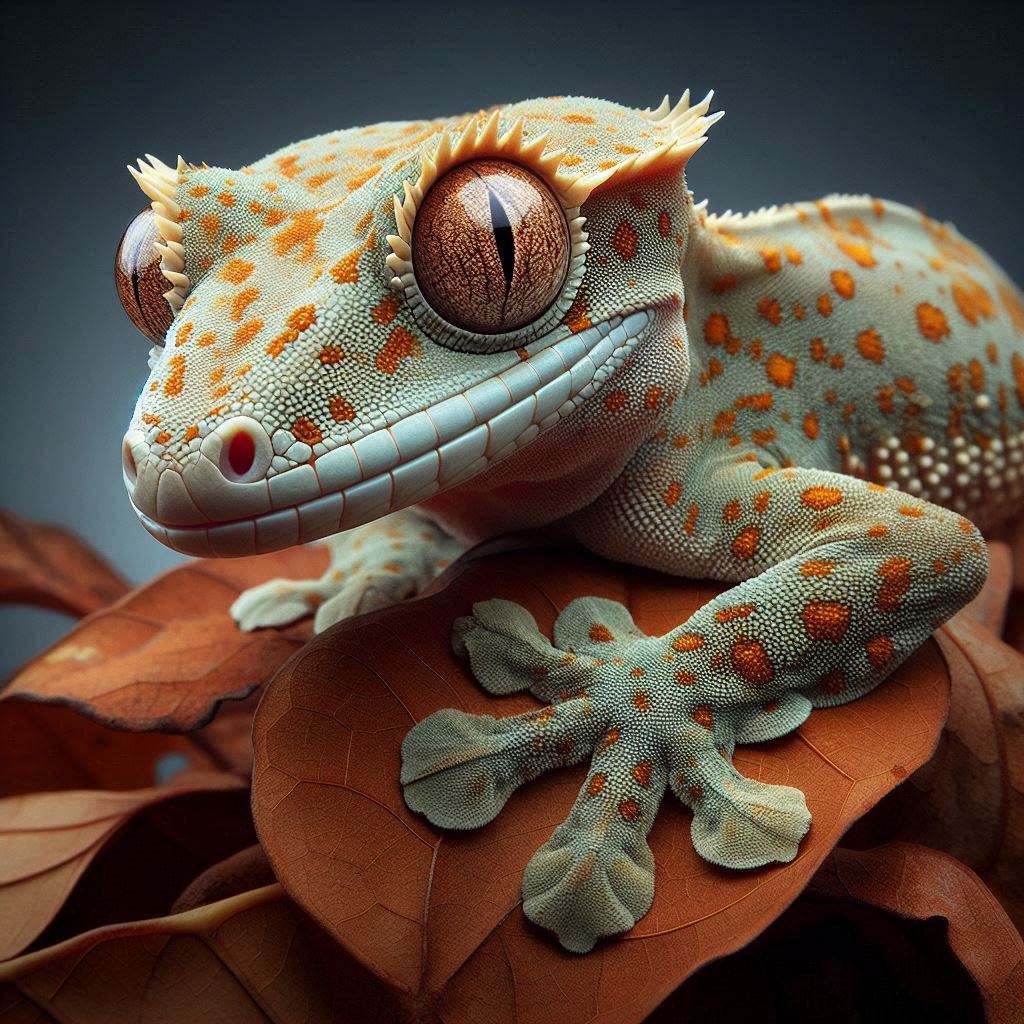
Native to Madagascar, the leaf-tailed gecko has an incredible ability to mimic the appearance of leaves. Its flattened body and tail resemble dead leaves, making it nearly invisible against the forest floor.
Discover more about leaf-tailed geckos at Reptiles Magazine.
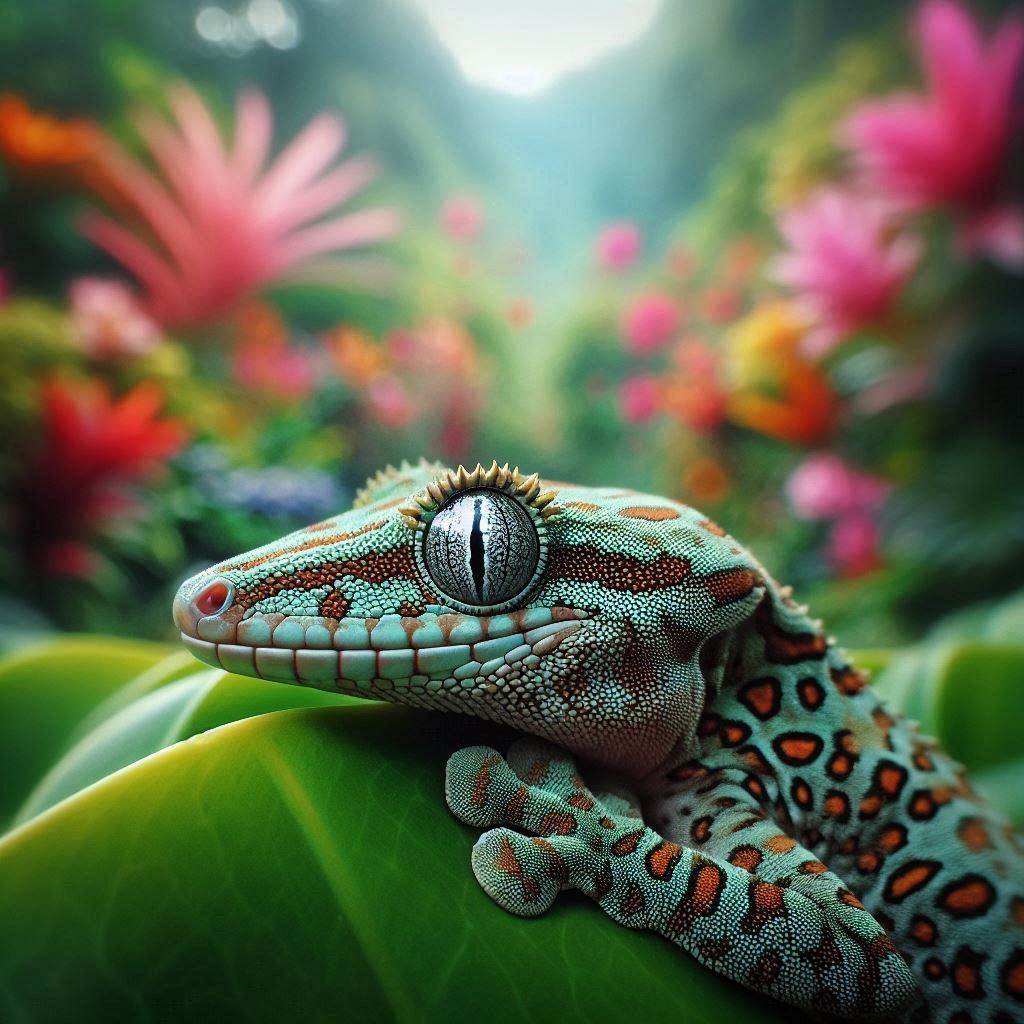
The horned devil caterpillar, found in the southern United States, is a master of disguise. With its vibrant colors and horn-like projections, it resembles twigs or leaves, making it difficult for predators to spot.
Learn more about this caterpillar at BugGuide.

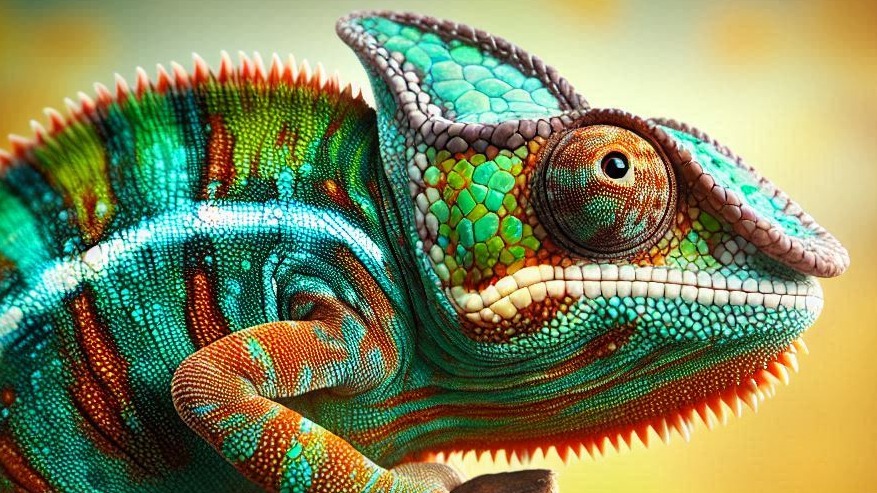
Chameleons are well-known for their color-changing abilities. They can shift their skin color to blend in with their environment, communicate with other chameleons, and regulate their body temperature.
Explore more about chameleons at Smithsonian’s National Zoo.
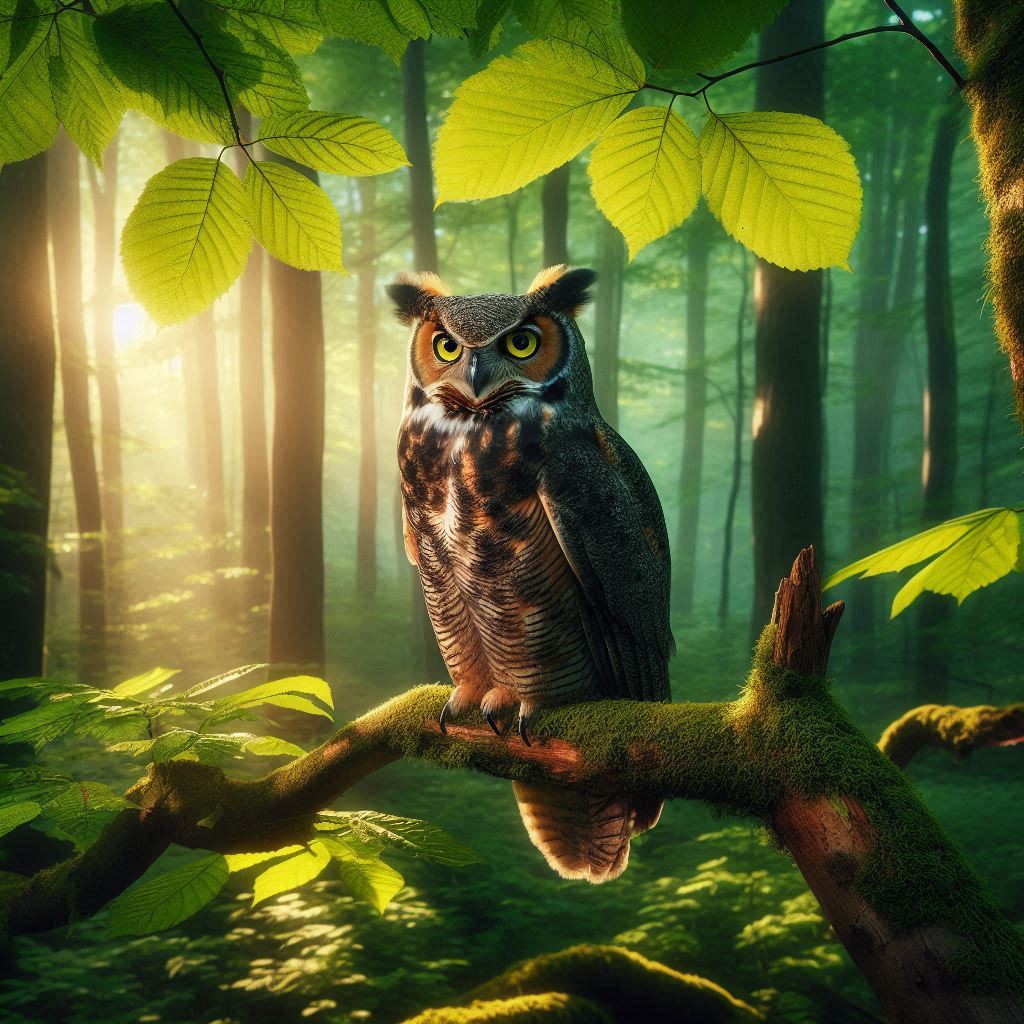
The great horned owl is a master of camouflage, thanks to its mottled feathers that blend seamlessly into tree bark. This allows it to remain hidden from both predators and prey.
Learn more about great horned owls at Cornell Lab of Ornithology.
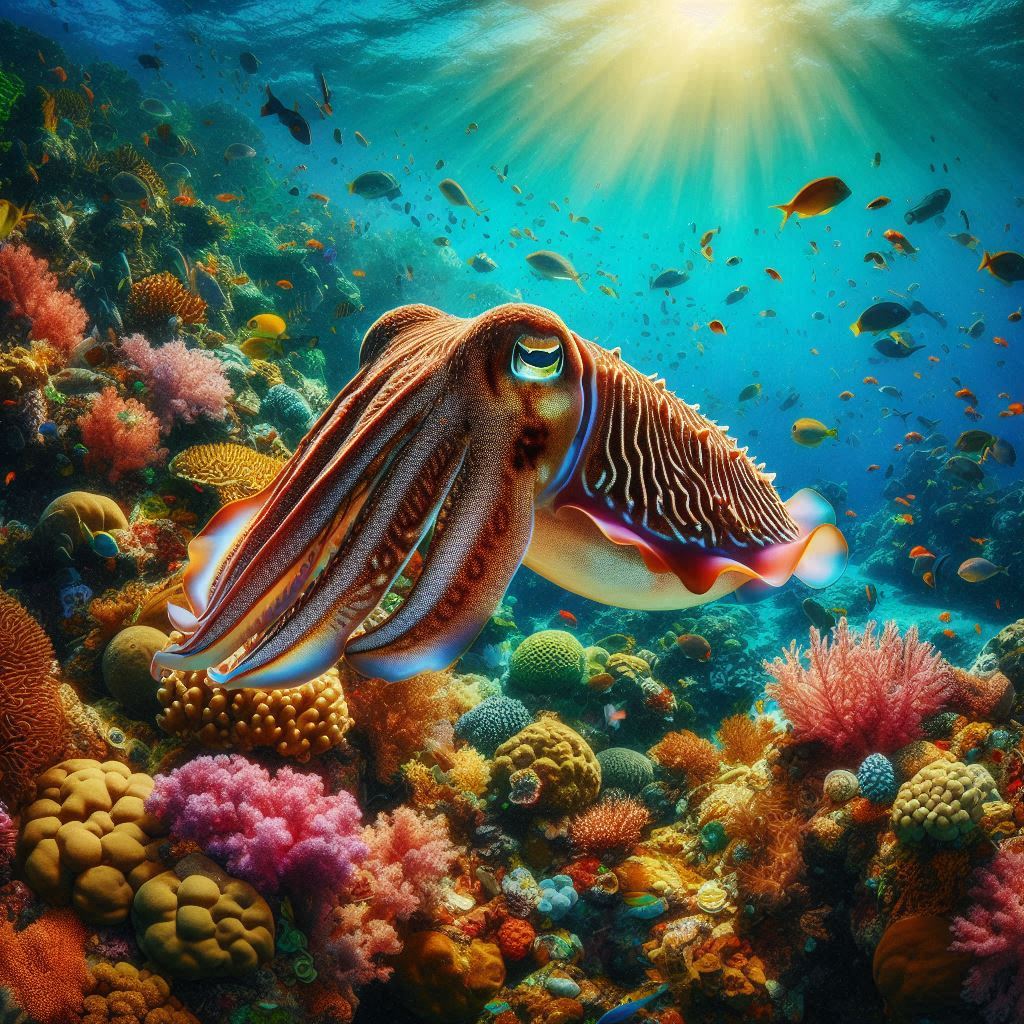
Cuttlefish are known for their incredible ability to change both color and texture, making them nearly invisible in their marine environment. They use specialized skin cells called chromatophores to achieve this.
Discover more about cuttlefish at Ocean Conservancy.
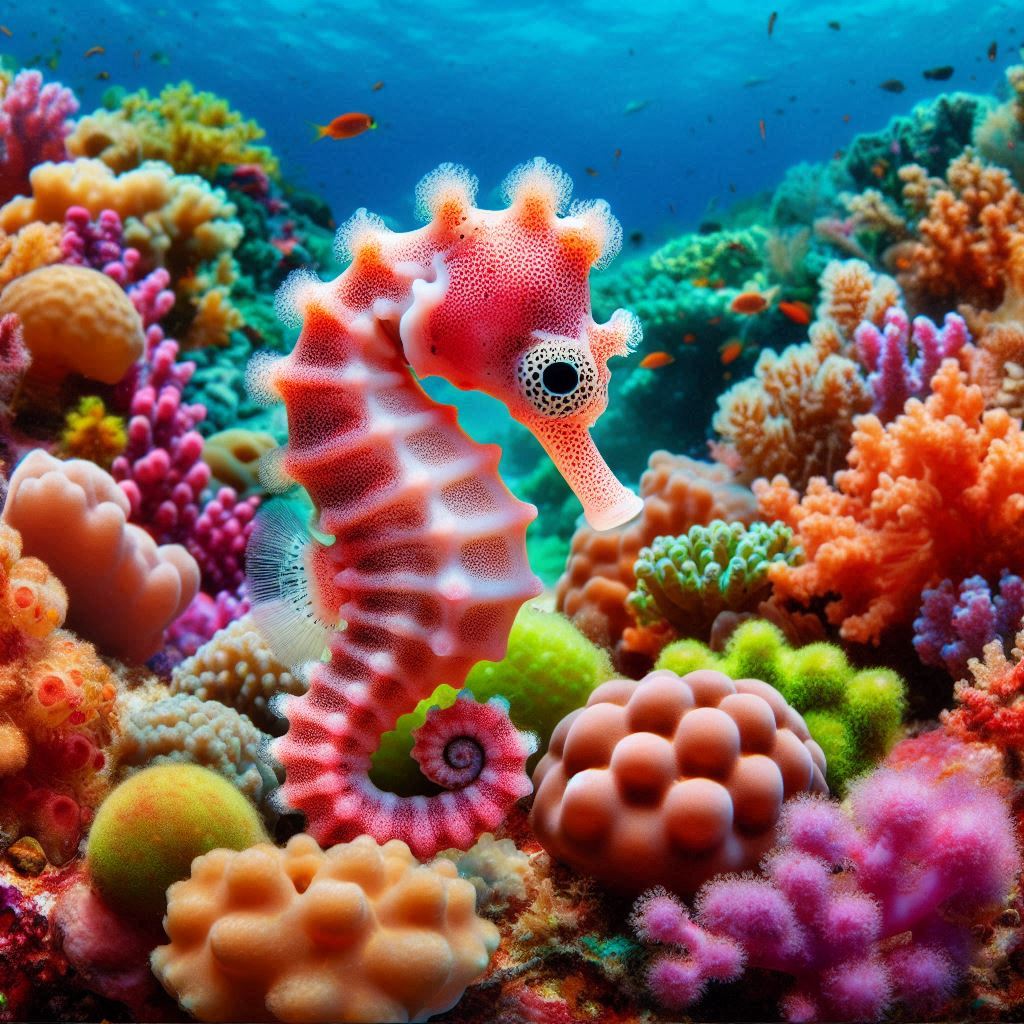
The pygmy seahorse is one of the smallest fish in the world, measuring just about 2.5 cm long. It often resides among coral branches, using its tiny size and colors to blend in perfectly.
Learn more about pygmy seahorses at MarineBio.
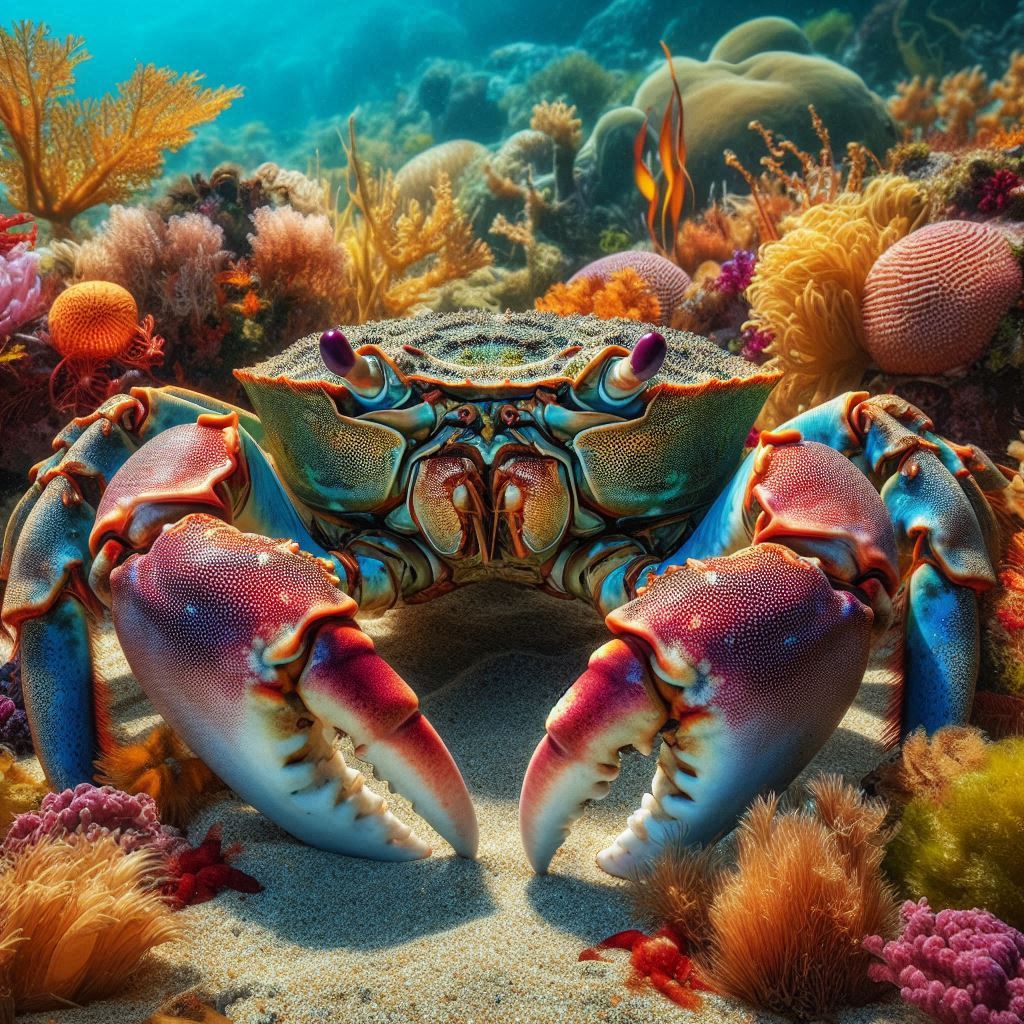
The stone crab can blend in with rocky ocean floors and coral reefs, making it hard for predators to spot. Its hard shell provides both camouflage and protection.
Discover more about stone crabs at Florida Fish and Wildlife.
The invisibill, also known as the “walking stick insect,” is a master of disguise. It resembles twigs and branches, allowing it to remain hidden from predators.
Learn more about stick insects at Insect Identification.
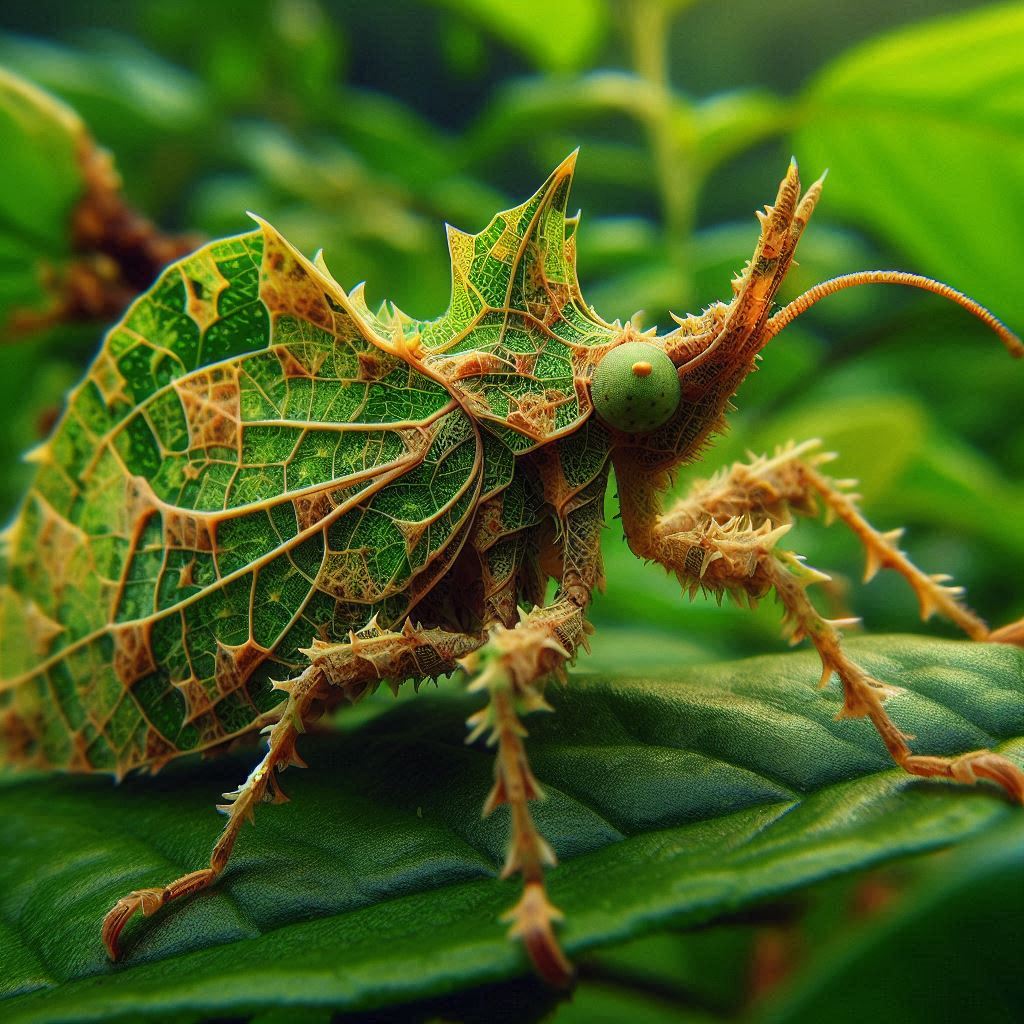
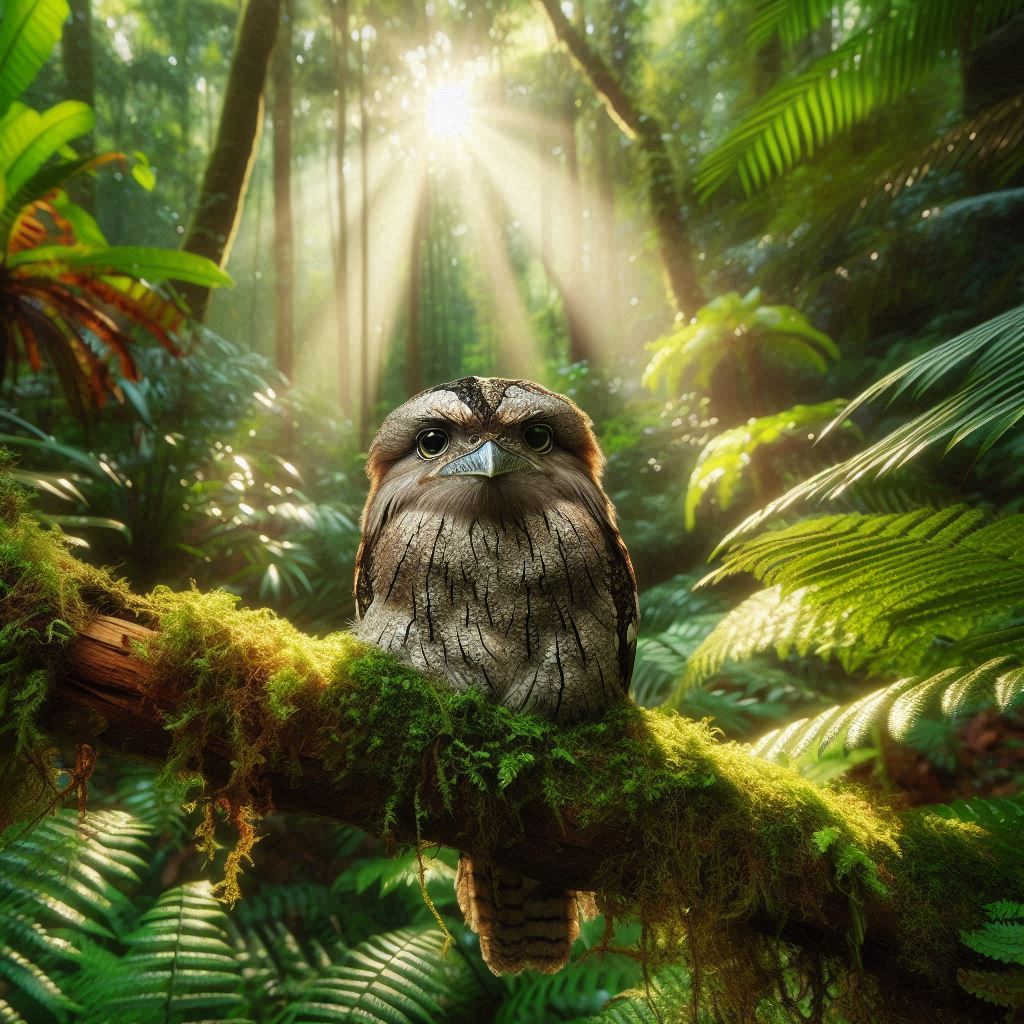
Topping our list is the tawny frogmouth, a bird native to Australia. Its plumage closely resembles the bark of trees, making it incredibly difficult to spot when it perches on a branch.
Discover more about tawny frogmouths at BirdLife Australia.
Camouflage is a remarkable adaptation that allows animals to thrive in their environments. From the depths of the ocean to the canopies of rainforests, these creatures have evolved unique features to hide from predators or ambush prey. If you enjoyed learning about these fascinating animals, share this post with friends and family!
Feel free to explore these links for more incredible insights into the animal kingdom!
