Physical Address
304 North Cardinal St.
Dorchester Center, MA 02124

Magnesium is one of the most important minerals for your body, yet many people don’t get enough of it. This vital nutrient supports hundreds of processes in the body, from muscle and nerve function to heart rhythm and energy production. Unfortunately, modern diets often lack magnesium-rich foods, leading to deficiencies that can cause fatigue, stress, and even health problems over time.
In this article, we’ll explore why magnesium is essential, how much you need daily, the 10 best foods to get magnesium, and additional options to help you maintain healthy levels.
Magnesium plays a role in more than 300 biochemical reactions in the body. Here are some of its key functions:
Supports Energy Production: Magnesium helps convert the food you eat into usable energy. Without it, you may feel tired and sluggish.
Strengthens Bones and Teeth: Alongside calcium and vitamin D, magnesium is crucial for bone health.
Regulates Muscle and Nerve Function: It helps muscles relax after contracting, preventing cramps and spasms.
Supports Heart Health: Magnesium helps keep a steady heartbeat and lowers the risk of high blood pressure.
Improves Sleep and Stress Levels: This mineral helps calm the nervous system, making it easier to sleep and manage stress.
Aids in Blood Sugar Control: Magnesium plays a role in insulin regulation, making it important for people with diabetes or prediabetes.
In short, magnesium keeps your body running smoothly, and without it, your health can quickly be affected.
The amount of magnesium you need depends on your age, sex, and life stage. According to the National Institutes of Health (NIH), here are the recommended dietary allowances (RDA):
Men (ages 19–30): 400 mg/day
Men (31+): 420 mg/day
Women (ages 19–30): 310 mg/day
Women (31+): 320 mg/day
Pregnant women: 350–360 mg/day
Breastfeeding women: 310–320 mg/day
Most adults fall short of these numbers, making it even more important to focus on magnesium-rich foods.
If you want to naturally boost your magnesium intake, here are the top 10 foods to add to your diet:

Leafy greens like spinach are magnesium powerhouses. One cup of cooked spinach provides about 157 mg, nearly half of a woman’s daily needs. It’s also packed with iron, vitamin A, and antioxidants.

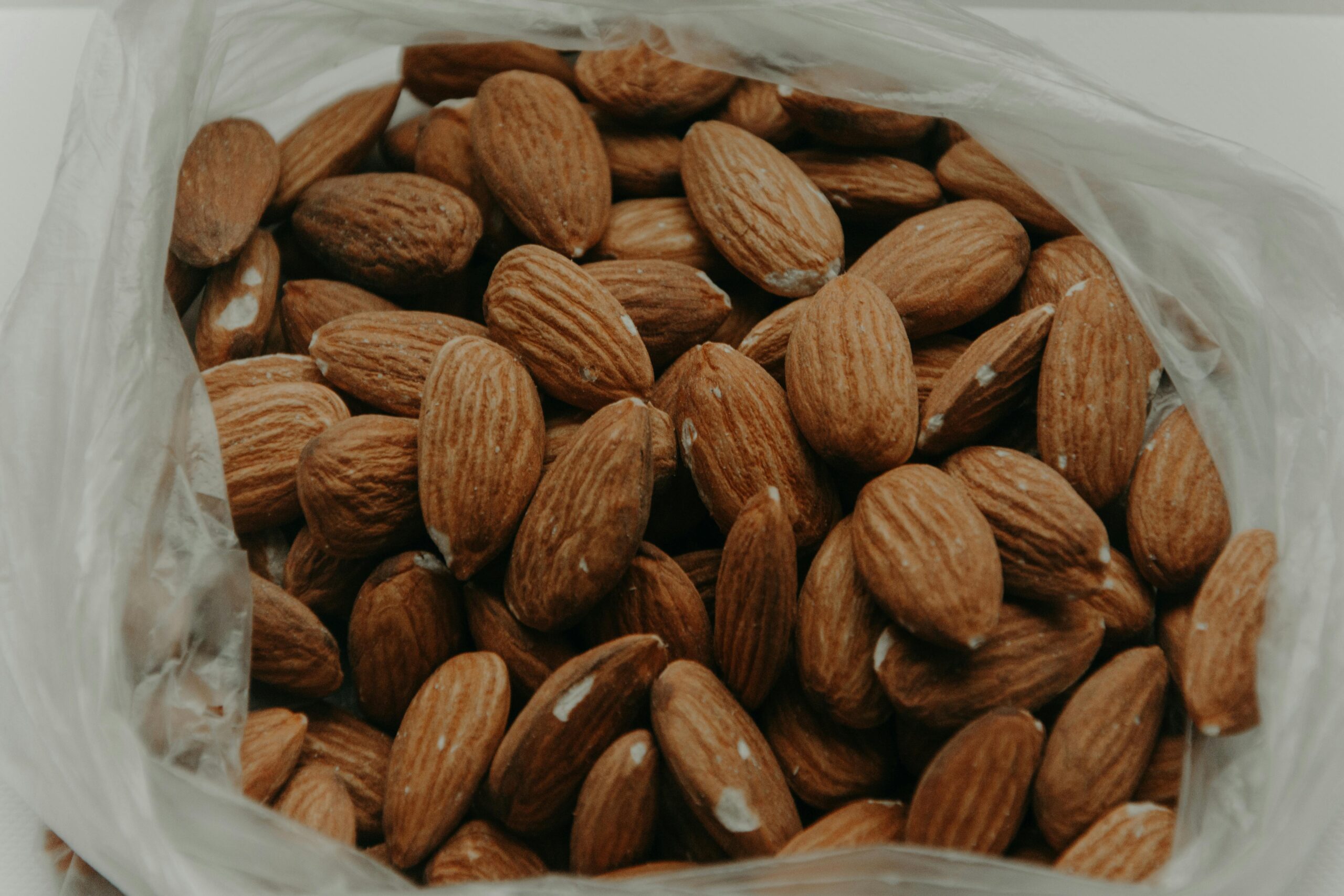
A handful of almonds (about 1 ounce) gives you 80 mg of magnesium. They’re a perfect snack for boosting heart health and energy levels.

Cashews not only taste great but also deliver around 74 mg of magnesium per ounce. They’re also rich in healthy fats and protein.
Just one ounce of roasted pumpkin seeds contains a whopping 156 mg of magnesium. They’re one of the most concentrated sources available.
Good news for chocolate lovers! One ounce of dark chocolate (70–85% cocoa) provides about 64 mg of magnesium. Choose high-quality dark chocolate for the best health benefits.

A medium avocado supplies around 58 mg of magnesium, plus healthy fats, potassium, and fiber. Perfect for salads, toast, or smoothies.

Beans and legumes are excellent plant-based sources. One cup of cooked black beans contains 120 mg of magnesium. They also support digestion and heart health.

Bananas are often praised for their potassium, but one medium banana also provides about 32 mg of magnesium. They make a convenient on-the-go snack.

One cup of plain, low-fat yogurt offers about 42 mg of magnesium, along with calcium and probiotics for gut health.

This plant-based protein source contains around 35 mg of magnesium per 3.5 ounces. It’s a great option for vegetarians and vegans.
Beyond the top 10, there are many other foods you can include to boost your intake:
Chia seeds – About 95 mg per ounce.
Peanuts – Around 50 mg per ounce.
Oats – A serving of oatmeal provides 60 mg.
Swiss chard – Cooked, it has nearly 150 mg per cup.
Salmon and mackerel – Provide magnesium along with omega-3 fatty acids.
By mixing and matching these foods in your daily meals, you’ll easily cover your magnesium needs.
Since many people don’t consume enough magnesium, it’s important to recognize deficiency symptoms. Some common signs include:
Muscle cramps or spasms
Fatigue and low energy
Poor sleep or insomnia
High stress or anxiety
Headaches or migraines
Irregular heartbeat
If you experience several of these symptoms, it may be worth reviewing your diet or speaking with a healthcare professional.
Food should always be the first source of nutrients, but supplements can help if you’re struggling to meet your needs. Magnesium supplements come in several forms:
Magnesium citrate – easily absorbed, good for digestion.
Magnesium glycinate – gentle on the stomach, helps with sleep and anxiety.
Magnesium oxide – less absorbable but commonly used.
Always check with your doctor before starting supplements, especially if you take medications for blood pressure, diabetes, or heart conditions.
Here are some simple ways to boost your magnesium intake without overthinking it:
Start your morning with oatmeal topped with bananas and almonds.
Add spinach or avocado to your lunch salad or sandwich.
Snack on pumpkin seeds or cashews in the afternoon.
Have a small piece of dark chocolate after dinner.
Replace one meat-based meal a week with black beans or tofu.
By making these swaps, you’ll naturally increase your magnesium levels and enjoy a more balanced diet.
Magnesium may be a “quiet” mineral, but it’s one of the most powerful nutrients your body needs to function properly. From keeping your heart healthy and muscles relaxed to boosting energy and improving sleep, magnesium supports nearly every aspect of wellness.
The good news is, with so many delicious magnesium-rich foods—like spinach, nuts, seeds, avocados, and dark chocolate—it’s not hard to meet your daily needs. And if food alone isn’t enough, supplements can fill in the gaps.
👉 Start adding magnesium-rich foods to your meals today, and give your body the support it needs for better energy, stronger bones, and improved overall health.