Physical Address
304 North Cardinal St.
Dorchester Center, MA 02124
Physical Address
304 North Cardinal St.
Dorchester Center, MA 02124

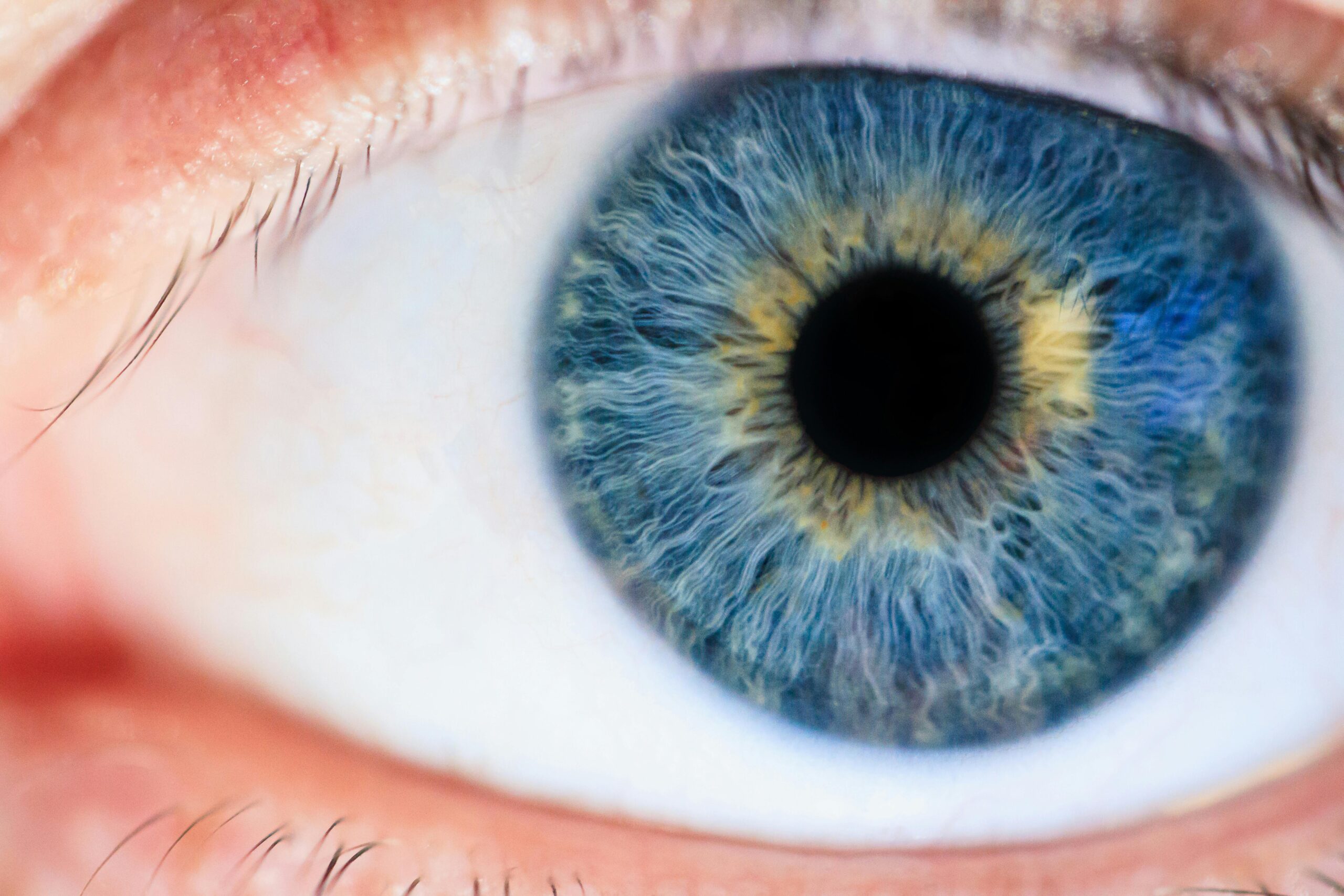
Your eyes are one of the most precious parts of your body, yet they are often neglected when it comes to nutrition. Many people assume that eye problems such as blurred vision, dry eyes, cataracts, or age-related macular degeneration (AMD) are simply part of aging. But research shows that your diet plays a major role in protecting your eyesight and keeping your vision sharp for years to come.
The foods you eat can either fuel your eyes with the nutrients they need or leave them vulnerable to disease. Nutrients like vitamins A, C, and E, omega-3 fatty acids, lutein, zeaxanthin, and zinc are all proven to support long-term eye health. By adding the right foods to your plate, you can lower your risk of vision loss and improve overall eye function.
In this article, we’ll look at the 10 best foods for eye health, why they work, and simple tips for including them in your everyday meals.
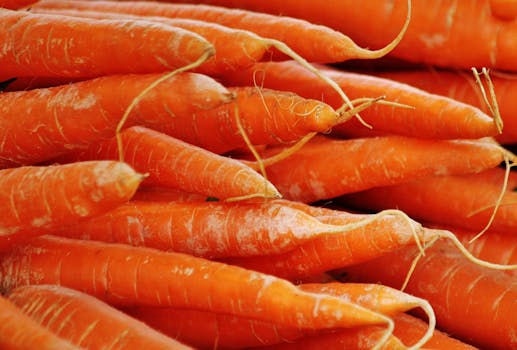
Carrots have long been linked with good eyesight, and there’s truth behind this popular claim. Carrots are rich in beta-carotene, a type of vitamin A that helps the retina and other parts of the eye function smoothly. Vitamin A deficiency can lead to night blindness, dry eyes, and even corneal damage.
Why They’re Good for Your Eyes:
How to Add to Your Diet:
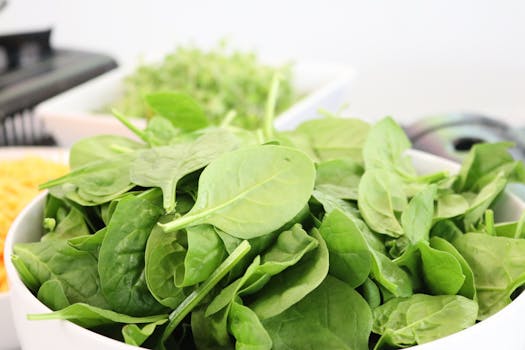
Spinach and other leafy greens are among the best foods for protecting against age-related vision loss. Spinach is loaded with lutein and zeaxanthin, antioxidants that concentrate in the retina and lens, acting like a natural sunscreen for your eyes by filtering harmful blue light.
Why It’s Good for Your Eyes:
How to Add to Your Diet:
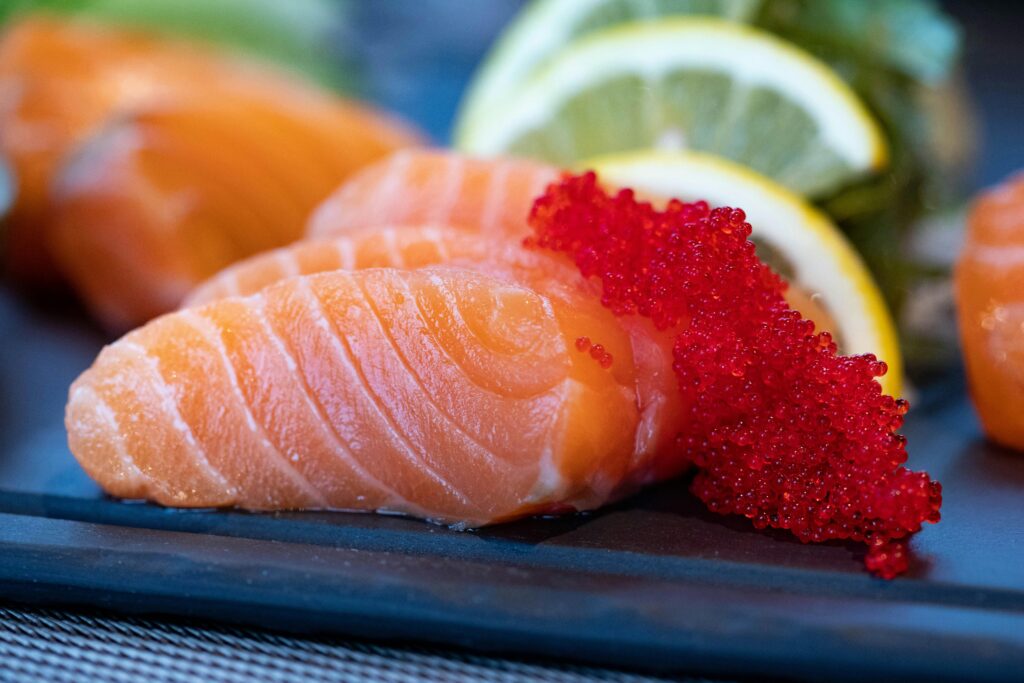
Salmon is one of the best sources of omega-3 fatty acids, particularly DHA, which is highly concentrated in the retina. These healthy fats protect against dry eye syndrome and reduce the risk of macular degeneration. Omega-3s also fight inflammation, which can damage delicate eye tissues over time.
Why It’s Good for Your Eyes:
How to Add to Your Diet:

Eggs, especially the yolks, are loaded with lutein, zeaxanthin, vitamin A, and zinc—all of which are essential for eye health. The body absorbs lutein and zeaxanthin from eggs more easily than from vegetables, making them an excellent addition to your diet.
Why They’re Good for Your Eyes:
How to Add to Your Diet:
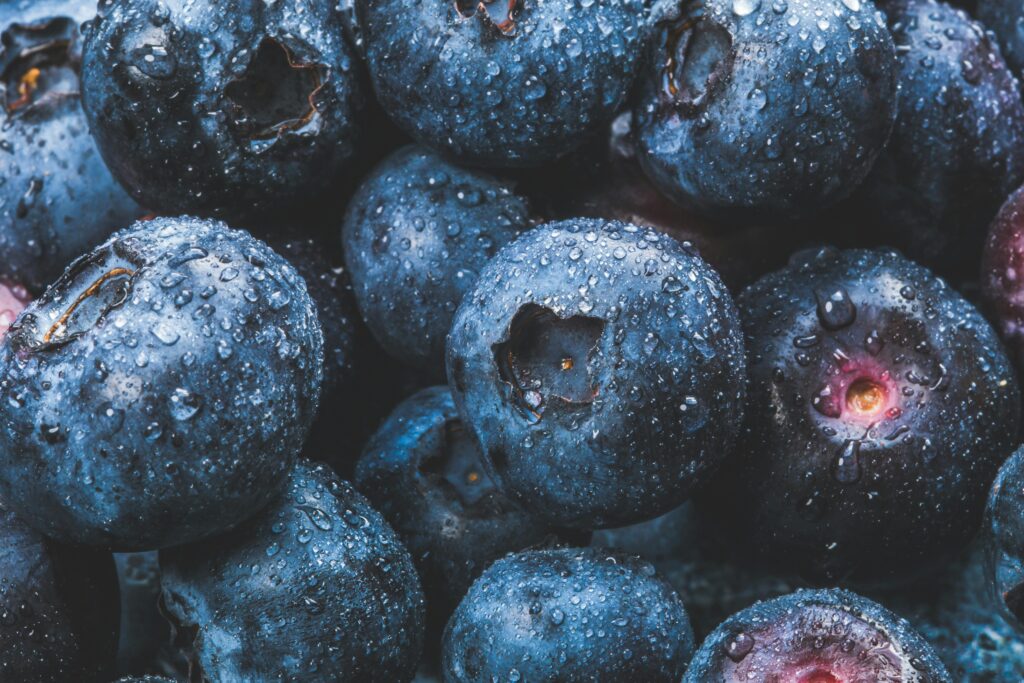
Blueberries are rich in antioxidants, vitamin C, and anthocyanins, which strengthen blood vessels in the eyes and improve circulation. They’re also linked to reduced risk of cataracts and glaucoma.
Why They’re Good for Your Eyes:
How to Add to Your Diet:

Like carrots, sweet potatoes are rich in beta-carotene, making them excellent for preventing vitamin A deficiency. They also contain vitamin C and vitamin E, which protect the eyes from oxidative damage.
Why They’re Good for Your Eyes:
How to Add to Your Diet:
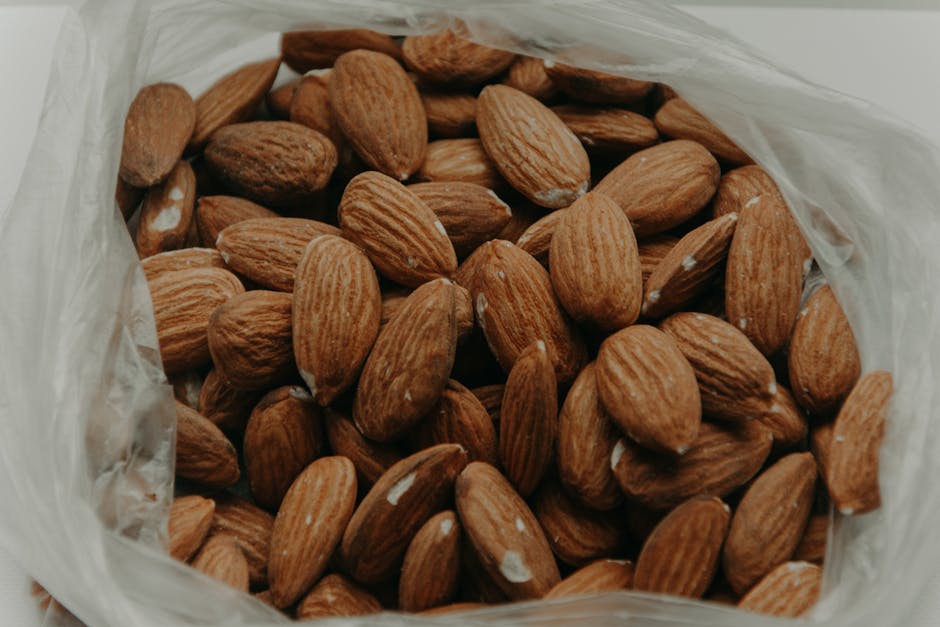
Almonds are rich in vitamin E, which plays a role in protecting your eyes from oxidative damage. Studies show that vitamin E may slow the progression of age-related macular degeneration.
Why They’re Good for Your Eyes:
How to Add to Your Diet:
Oranges and other citrus fruits are loaded with vitamin C, a powerful antioxidant that protects the eyes from oxidative stress. Vitamin C also helps the body build collagen, which maintains the structure of the cornea and blood vessels in the eye.
Why They’re Good for Your Eyes:
How to Add to Your Diet:
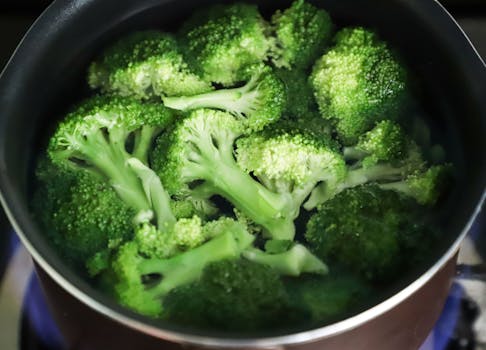
Broccoli is rich in vitamin C, vitamin E, lutein, and zeaxanthin, making it a complete package for eye health. Its antioxidants help protect against both cataracts and macular degeneration.
Why It’s Good for Your Eyes:
How to Add to Your Diet:
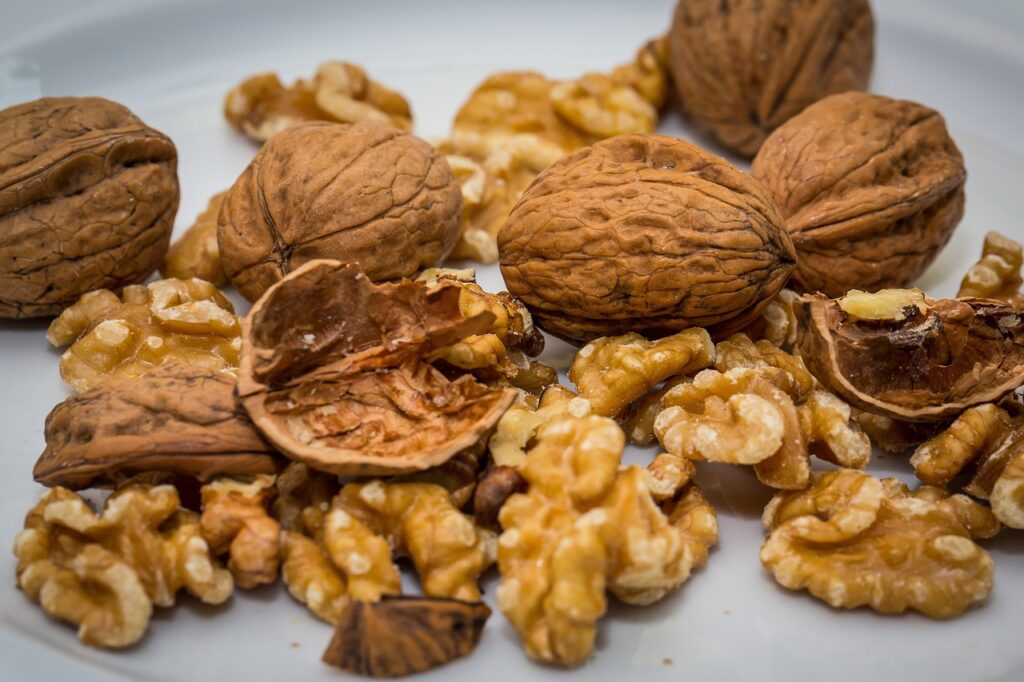
Walnuts are another great source of omega-3 fatty acids, plus vitamin E and zinc. This combination supports both retinal health and overall vision protection. Like salmon, they help reduce dry eyes and protect against age-related issues.
Why They’re Good for Your Eyes:
How to Add to Your Diet:
Your eyes are delicate, but the right diet can shield them from disease, slow down aging, and keep your vision sharp. By incorporating these 10 best foods for eye health—carrots, spinach, salmon, eggs, blueberries, sweet potatoes, almonds, oranges, broccoli, and walnuts—you’re not just feeding your stomach, you’re nourishing your sight.
When paired with regular eye check-ups, good hydration, and limiting screen strain, these foods can make a major difference in how well you see as you grow older.
👁️ Remember: Healthy vision starts on your plate.
